
How Corporate Law Shaped a Front-Row View of American History
When people think about American history, they often picture presidents, elections, Supreme Court rulings, or defining moments like the Great

When people think about American history, they often picture presidents, elections, Supreme Court rulings, or defining moments like the Great

When people think about history, law, and innovation, they often picture three separate worlds. History belongs in classrooms and museums.

Technology has always been a driving force behind progress. It changes how we communicate, how we work, how businesses grow,

Every generation believes it is living through extraordinary times. Political debates grow louder, new technologies emerge almost overnight, and institutions

History is usually taught through dates, elections, wars, and major events. We learn who became president, when important laws were

Wealth and price inequality have become defining features of modern economic life. While inequality has always existed, its current scale
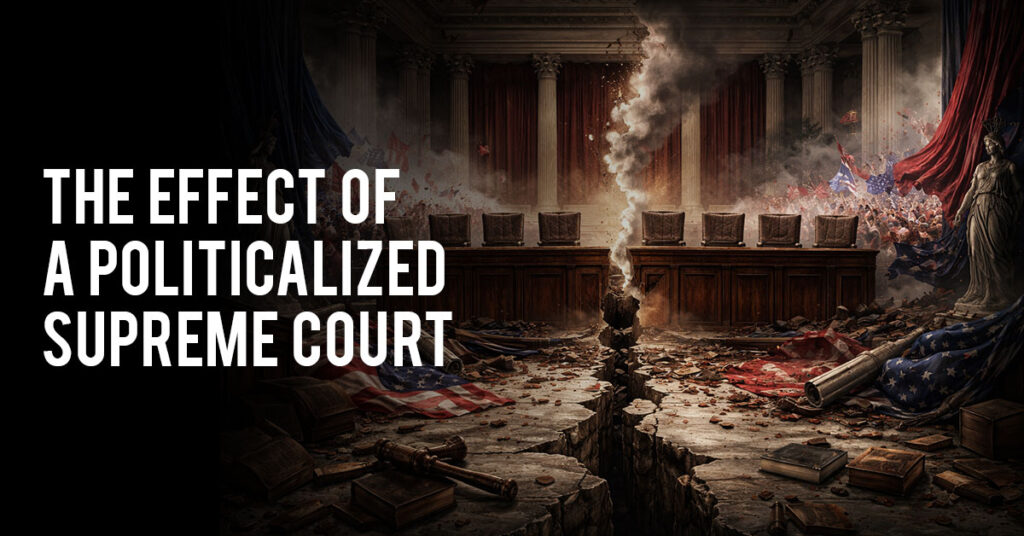
The Supreme Court was designed to stand apart from politics, serving as a stabilizing force guided by constitutional interpretation rather
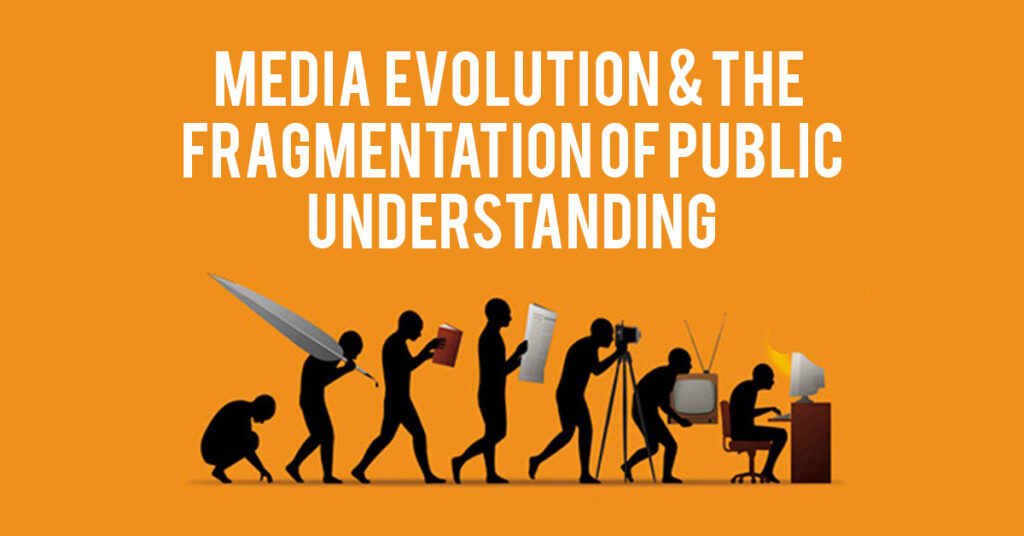
A Shared Civic Space Media once functioned as a shared civic experience. Radio, newspapers, and early television created common points
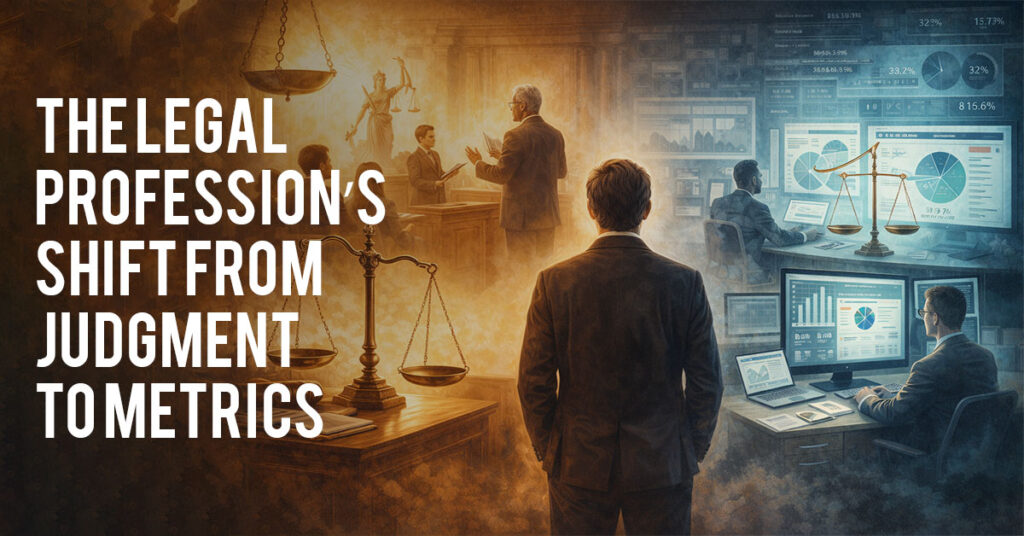
Law as a Calling For much of its history, law was understood as a profession rather than a business. Lawyers