A Shared Civic Space
Media once functioned as a shared civic experience. Radio, newspapers, and early television created common points of reference. While perspectives differed, facts were broadly agreed upon. Information moved slowly enough to be examined, contextualized, and debated.
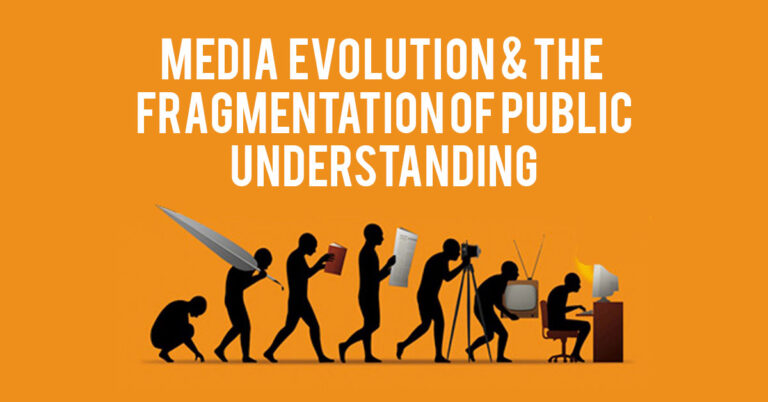
Technological advancement transformed that environment. Cable television increased choice but narrowed focus. The internet eliminated barriers to entry but weakened gatekeeping. Social media completed the shift, prioritizing engagement over accuracy and emotion over nuance.
Speed, Algorithms, and Attention
The result is fragmentation. Audiences no longer consume shared narratives but isolated streams tailored by algorithms. Speed dominates substance. Outrage outperforms analysis. The loudest voices travel farthest, regardless of credibility.
This evolution was driven by incentives. Advertising rewarded clicks. Platforms monetized attention. Journalism struggled to survive under economic pressure, often forced to choose between depth and viability. The consequences were not immediately apparent, but they compounded over time.
The Cost of Constant Noise
Public discourse suffered. Misinformation spread faster than correction. Complexity was reduced to slogans. Trust eroded, not only in media institutions, but in truth itself.
Yet technology is not inherently destructive. It is neutral. The issue lies in how systems are designed and rewarded. Media can still inform, educate, and connect, but only if responsibility is valued alongside reach.
Understanding media change requires recognizing that communication shapes perception. When attention becomes currency, meaning becomes collateral. Reclaiming thoughtful discourse begins with awareness, restraint, and a willingness to slow down in a world built for speed.